Massive Funeral for Iran's Khamenei Highlights Regional Tensions and Regime Continuity
July 4, 2026
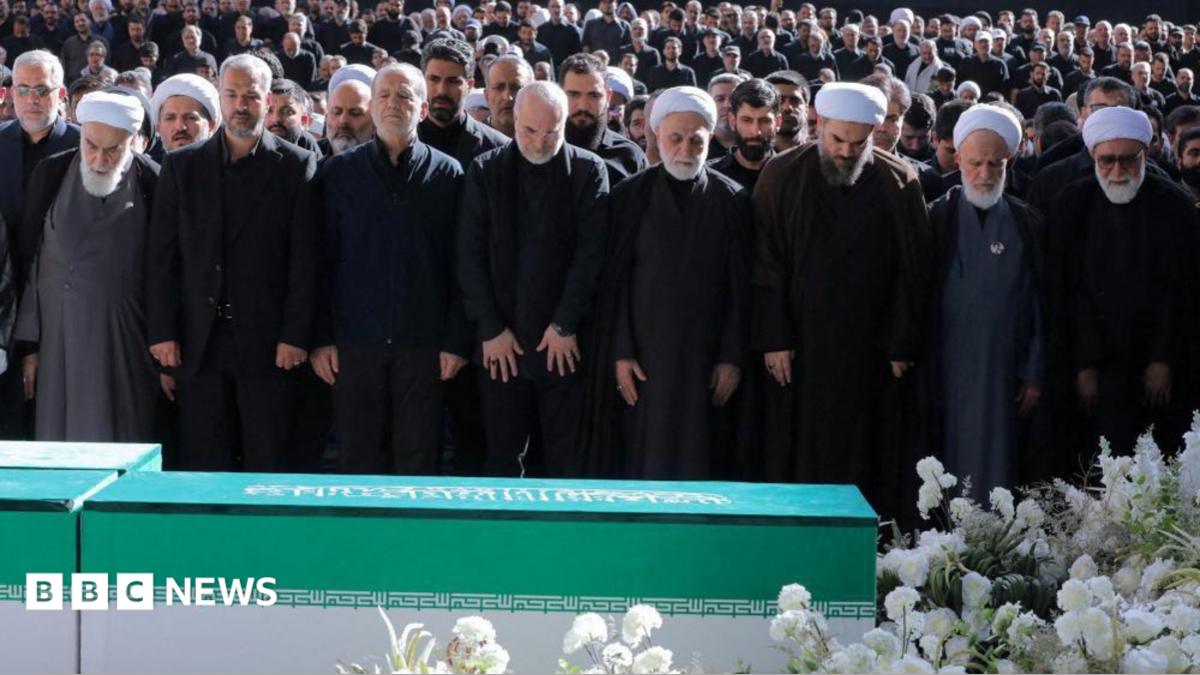
Iran holds a week-long funeral for slain Supreme Leader Ali Khamenei, drawing millions and featuring calls for revenge against the US and Israel, while his successor remains absent amid peace negotiations.
Across the spectrum
Center-framed sources collectively prioritized factual reporting on the funeral's logistics, attendance of key figures, and the symbolic absence of Mojtaba Khamenei, while maintaining a neutral tone regarding the political implications. They emphasized the mix of grief and revenge rhetoric, the role of Axis of Resistance groups, and the event's potential impact on ongoing peace talks without employing ideological language. This group provided a balanced view by contrasting state propaganda with broader public sentiment and highlighting the geopolitical context rather than moral judgments.
Right-framed sources explicitly characterized the event as a hostile display of Iranian aggression, focusing heavily on assassination calls against Trump and the militant nature of the crowds. They framed key actors like Gen. Vahidi and Khamenei through a critical lens, highlighting controversial backgrounds and Interpol warrants to cast the gathering as a meeting of sanctioned officials and terrorists. This group used loaded language such as 'bloodthirsty applause' to underscore the perceived threat to U.S. leadership and framed the event as a dangerous affirmation of a martyr's legacy.
Full synthesis
Iran has launched a week-long funeral procession for former Supreme Leader Ayatollah Ali Khamenei, who was killed in a joint U.S.-Israeli airstrike on February 28, 2026. Millions of mourners have gathered in Tehran and other cities, participating in ceremonies that authorities describe as a display of national unity and regime resilience. The events have temporarily paused ongoing peace negotiations with the United States, with President Donald Trump stating he would not attack during the mourning period to preserve diplomatic channels. While senior officials, including IRGC Chief Gen. Ahmad Vahidi and three of Khamenei’s sons, attended public services, the new Supreme Leader, Mojtaba Khamenei, remained conspicuously absent, reportedly due to security concerns and injuries sustained in the initial strike.
The funeral proceedings have been marked by intense political and religious symbolism, with crowds chanting anti-American and anti-Israeli slogans and some speakers explicitly calling for revenge against U.S. President Donald Trump. The route of Khamenei’s remains includes significant Shia holy sites in Iran and Iraq, reinforcing the regime’s regional ideological stance. Analysts view the event as a carefully choreographed effort to project strength and continuity amidst a fragile ceasefire and a leadership transition to a younger, less visible successor. The massive turnout and hardened rhetoric suggest that despite diplomatic overtures, deep-seated hostility toward the West remains a central pillar of the Islamic Republic’s current political narrative.
Massive Funeral for Iran's Khamenei Highlights Regional Tensions and Regime Continuity