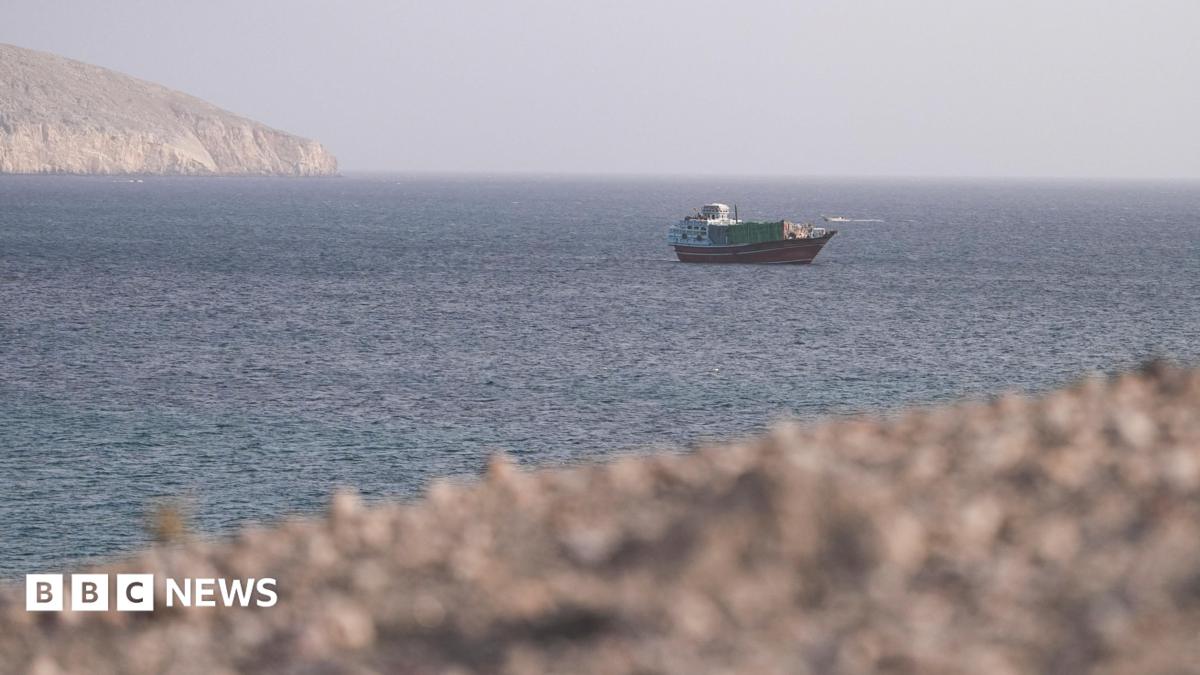
US Reimposes Blockade, Resumes Strikes on Iran Amid Strait of Hormuz Crisis
July 14, 2026
The United States has reimposed a naval blockade on Iranian ports and launched a sustained campaign of airstrikes against military targets, triggering retaliatory attacks by Iran on US allies in the Gulf and effectively ending a June interim peace agreement.
Across the spectrum
Left-leaning sources strongly critiqued US leadership, focusing on the chaotic nature of Trump's policy and the collapse of diplomatic frameworks like the MOU. They emphasized the strategic failures, economic costs, and lack of coherent strategy, portraying the conflict as an unproductive escalation driven by American incompetence.
Center-aligned outlets provided comprehensive, factual reporting on military escalations, diplomatic maneuvers, and real-time updates on strikes and blockades. They balanced perspectives by detailing actions from both the US and Iran, focusing on legal ambiguities, logistical impacts on global shipping, and official statements without significant editorial commentary.
The right-leaning source emphasized the personal animosity directed at US leadership, highlighting hostile imagery and death threats from the Iranian regime against President Trump. This framing focused on the symbolic nature of the conflict and the direct threats to American authority, rather than broader strategic or diplomatic analyses.
Full synthesis
The United States has reimposed a naval blockade on Iranian ports and launched consecutive waves of airstrikes against military infrastructure near the Strait of Hormuz, marking a significant escalation in the ongoing conflict. US Central Command stated the strikes aim to degrade Iran’s ability to disrupt commercial shipping, while President Trump threatened further attacks on civilian infrastructure, including power plants and bridges, unless negotiations resume. In retaliation, Iran’s Islamic Revolutionary Guard Corps launched missile and drone attacks against US military assets in Bahrain, Kuwait, and Jordan, and declared that the Strait of Hormuz would remain closed until US aggression ceased.
These developments have effectively shattered the Memorandum of Understanding signed in June, which had briefly paused hostilities to allow for 60 days of diplomatic talks. Iranian officials declared the agreement void, citing US violations, while Tehran warned it could halt all regional energy exports, threatening global oil supplies. The cycle of tit-for-tat violence has raised fears of a return to all-out war, with experts noting that military force alone is unlikely to reopen the vital waterway without a massive ground commitment, leaving both sides locked in a costly and dangerous stalemate.
US Reimposes Blockade, Resumes Strikes on Iran Amid Strait of Hormuz Crisis