Senate Democrats Block Defense Bill Amid Renewed U.S.-Iran Hostilities
July 14, 2026
Senate Democrats blocked the National Defense Authorization Act in protest of the Trump administration's resumption of military strikes against Iran, escalating tensions over war powers and defense spending.
Across the spectrum
Center-framed sources provided a neutral, procedural overview of the Senate vote and the legal implications of the War Powers Resolution. They balanced quotes from both Democratic and Republican leadership while focusing on the timeline of military notifications and the factual collapse of the ceasefire, avoiding explicit judgment on the legitimacy of the strikes.
Left-leaning outlets heavily emphasized Democratic criticism of the Trump administration, characterizing the military strategy as incompetent, unlawful, and fiscally damaging. They focused on the lack of an exit strategy and the chaos surrounding the Strait of Hormuz fees, portraying the conflict as a disastrous escalation driven by executive overreach rather than strategic necessity.
Right-framed sources presented the renewed strikes as a bold and necessary assertion of American strength to prevent nuclear proliferation. They framed the political fallout as a result of Democratic obstructionism against bipartisan defense bills, quoting White House officials to validate the administration's decisive actions while omitting critiques of executive overreach.
Full synthesis
On Tuesday, Senate Democrats blocked the advancement of the National Defense Authorization Act (NDAA), a critical annual defense policy bill, citing opposition to the Trump administration’s renewed military engagement with Iran. In a 50-46 vote, the measure failed to secure the necessary bipartisan support, with all present Democrats voting against it. Senate Minority Leader Chuck Schumer condemned the timing, arguing that Congress cannot proceed with defense policy while ignoring what he termed an unauthorized and reckless war. The blockade comes after President Trump formally notified Congress on July 10 that hostilities had restarted on July 7, following the collapse of a previous ceasefire.
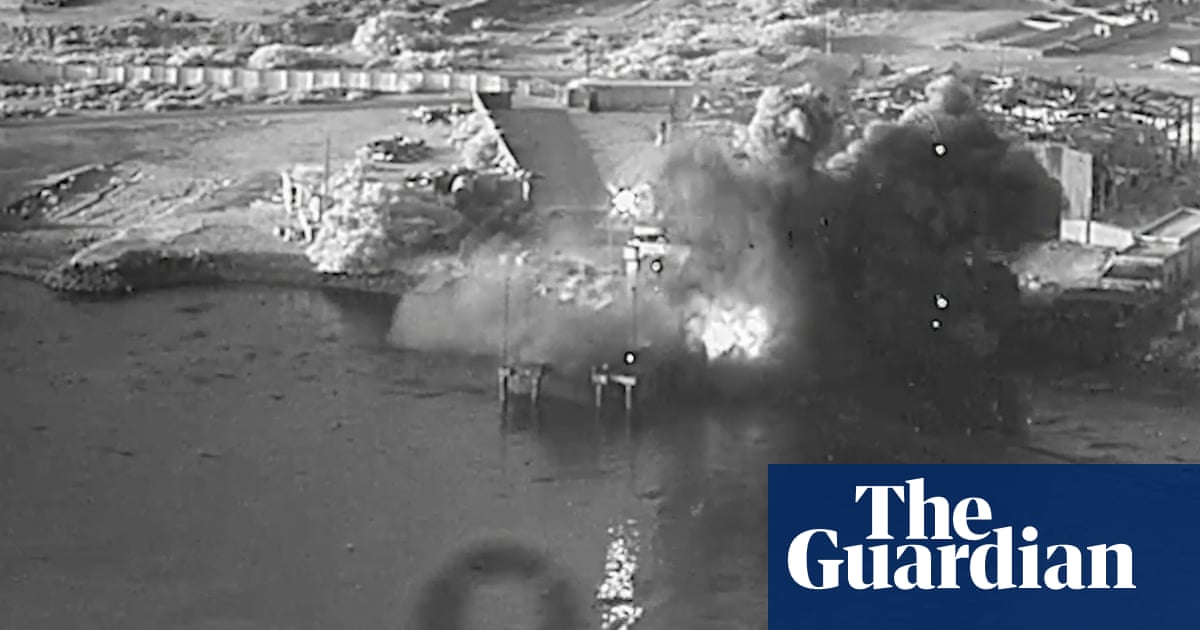
The conflict has intensified with new U.S. strikes on Iranian targets and the reinstatement of a naval blockade in the Strait of Hormuz. While Republicans, led by Majority Leader John Thune, urged support for the NDAA—highlighting its troop pay raises and investments in drone technology—Democrats framed the bill as a "permission slip" for executive overreach. The dispute underscores deep divisions over the War Powers Resolution, with Democrats alleging the administration is manipulating legal timelines to bypass congressional authorization, while Republicans accuse Democrats of obstructing essential national security measures.
Senate Democrats Block Defense Bill Amid Renewed U.S.-Iran Hostilities