US and Iran Exchange Strikes as Strait of Hormuz Standoff Escalates Ceasefire Collapse
July 12, 2026
The US and Iran engaged in renewed aerial and missile exchanges on July 12-13, 2026, undermining a fragile ceasefire and triggering a dispute over control of the Strait of Hormuz, causing global oil prices to surge.
Across the spectrum
This group critically examined US military actions, with The Intercept highlighting alleged casualty cover-ups and Vox characterizing Trump's demands as a 'protection racket.' They emphasized the fragility of diplomatic efforts and questioned the sustainability of American strategic approaches in the region.
These sources focused on factual reporting of military strikes, economic impacts on oil markets, and official diplomatic statements from conflicting parties. They maintained neutral tones while detailing logistical challenges, such as shipping lane closures, and analyzing the strategic importance of the Strait for global trade.
This single source, Breitbart, framed US military responses as necessary resistance against Iranian aggression, emphasizing the strength of American forces. Unlike other groups, it adopted a supportive editorial stance toward the Trump administration's policies rather than focusing on economic or diplomatic nuances.
Full synthesis
Tensions between the United States and Iran escalated sharply on July 12 and 13, 2026, with both nations launching reciprocal military strikes that threatened to unravel a mid-June interim ceasefire. The US Central Command conducted hundreds of airstrikes against Iranian military targets, including air-defense systems and drone capabilities, citing Iranian attacks on commercial shipping in the Strait of Hormuz. In retaliation, Iran’s Islamic Revolutionary Guard Corps fired missiles and drones at US military bases in Kuwait, Jordan, Bahrain, Qatar, and Oman.
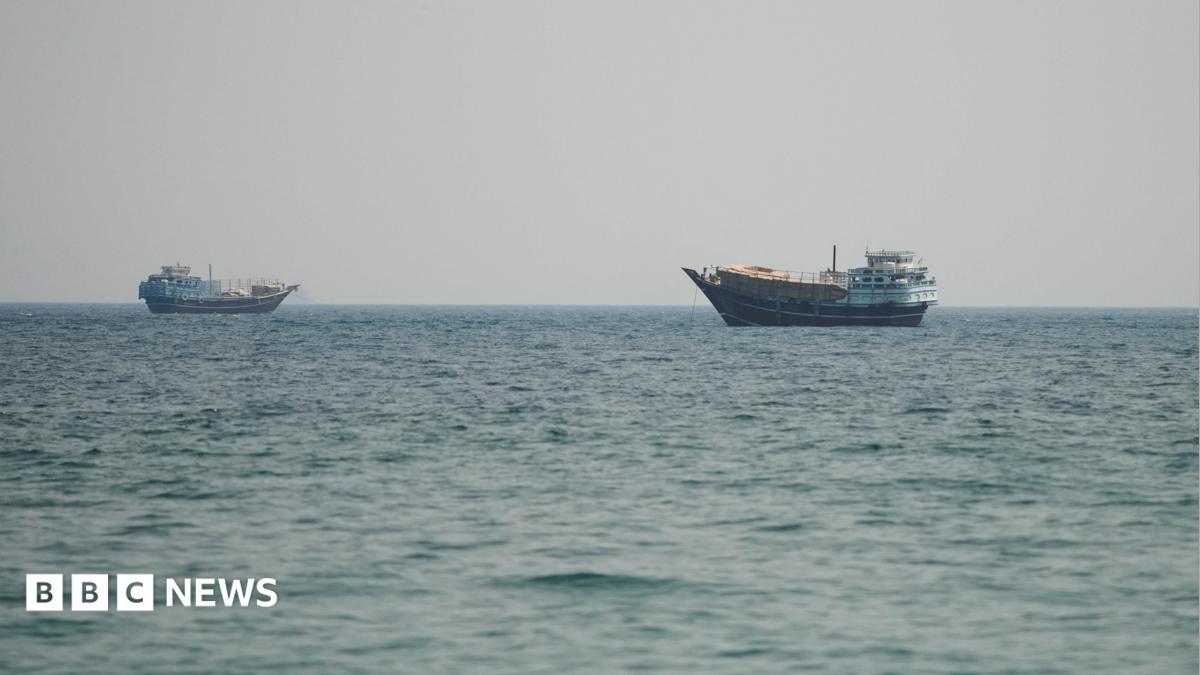
The conflict has created a diplomatic and strategic deadlock over the Strait of Hormuz, a critical chokepoint for global energy supplies. Iran declared the waterway closed to unauthorized traffic, while the US insisted it remained open and announced plans to act as its “guardian,” potentially charging transit fees. The violence caused Brent crude oil prices to jump nearly 5%, reigniting fears of broader regional war and casting doubt on ongoing peace negotiations mediated by Qatar and Pakistan.
US and Iran Exchange Strikes as Strait of Hormuz Standoff Escalates Ceasefire Collapse