US-Iran Conflict Escalates as Supreme Leader Vows Revenge Amid Strait of Hormuz Standoff
July 11, 2026
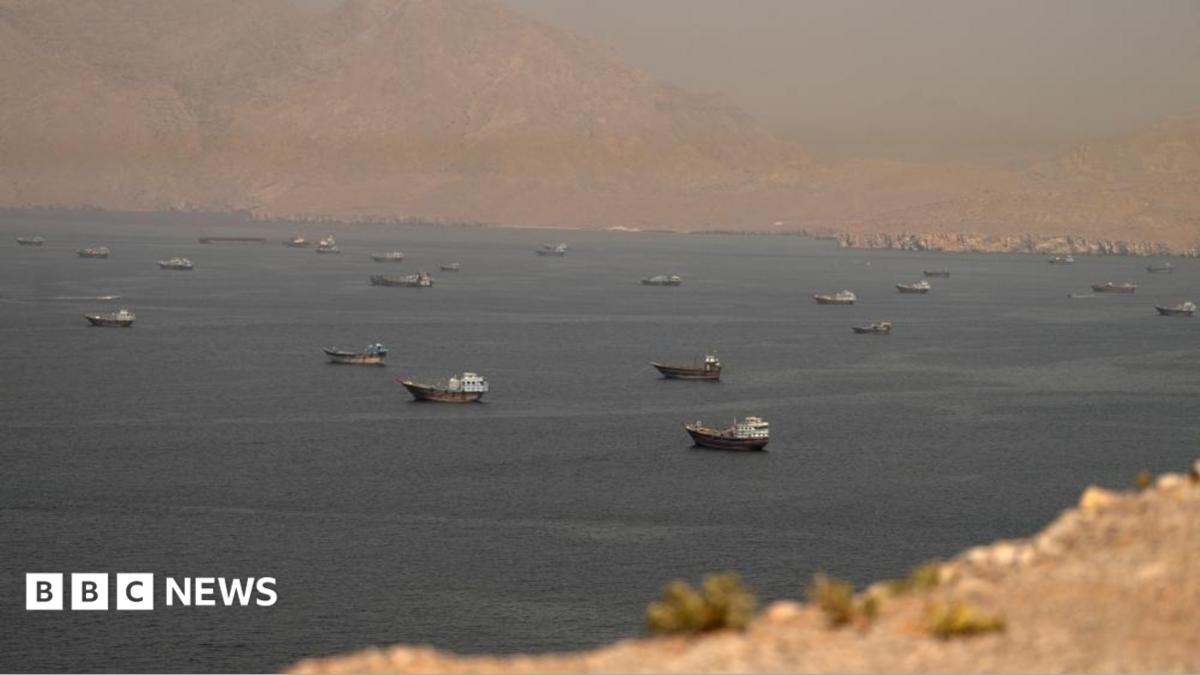
Tensions peaked after Iran's new Supreme Leader Mojtaba Khamenei vowed revenge for his father's death, while President Trump threatened massive retaliation over alleged assassination plots and Iran declared the Strait of Hormuz closed.
Across the spectrum
This small group, represented by Time, uniquely framed the geopolitical conflict through an environmental and humanitarian lens. It emphasized how the war exacerbates climate change and water scarcity in the Middle East, contrasting with the military and diplomatic focus of other sources.
Center-framed sources provided balanced, detailed reporting on the diplomatic scrambles, military exchanges, and specific terms of the ceasefire negotiations. They emphasized the confusion and lack of clarity from both sides, highlighting mediation efforts by Qatar and Oman while neutrally presenting US demands and Iranian claims.
Right-leaning outlets framed Iran as the primary aggressor responsible for terrorism and violence, often downplaying Israeli reluctance or emphasizing US-Israel coordination. They were more critical of diplomatic ambiguity, focusing on Iran's defiance, the failure of the ceasefire, and advocating for hardline US foreign policy stances.
Full synthesis
The US-Iran crisis intensified dramatically on July 11 as Iran’s newly appointed Supreme Leader, Mojtaba Khamenei, issued his first public statement since the war began, vowing revenge for the February killing of his father, Ali Khamenei. Simultaneously, President Donald Trump escalated rhetoric on social media, claiming Iran plotted his assassination following chants at the late leader’s funeral, and threatening to decimate the country with "1,000 missiles." This verbal exchange coincided with renewed kinetic action, including U.S. airstrikes on 140 Iranian military targets and Iranian attacks on U.S. allies in the Gulf.
US-Iran Conflict Escalates as Supreme Leader Vows Revenge Amid Strait of Hormuz Standoff