U.S.-Iran Conflict Escalates Amid Khamenei’s Burial and Strait of Hormuz Dispute
July 9, 2026
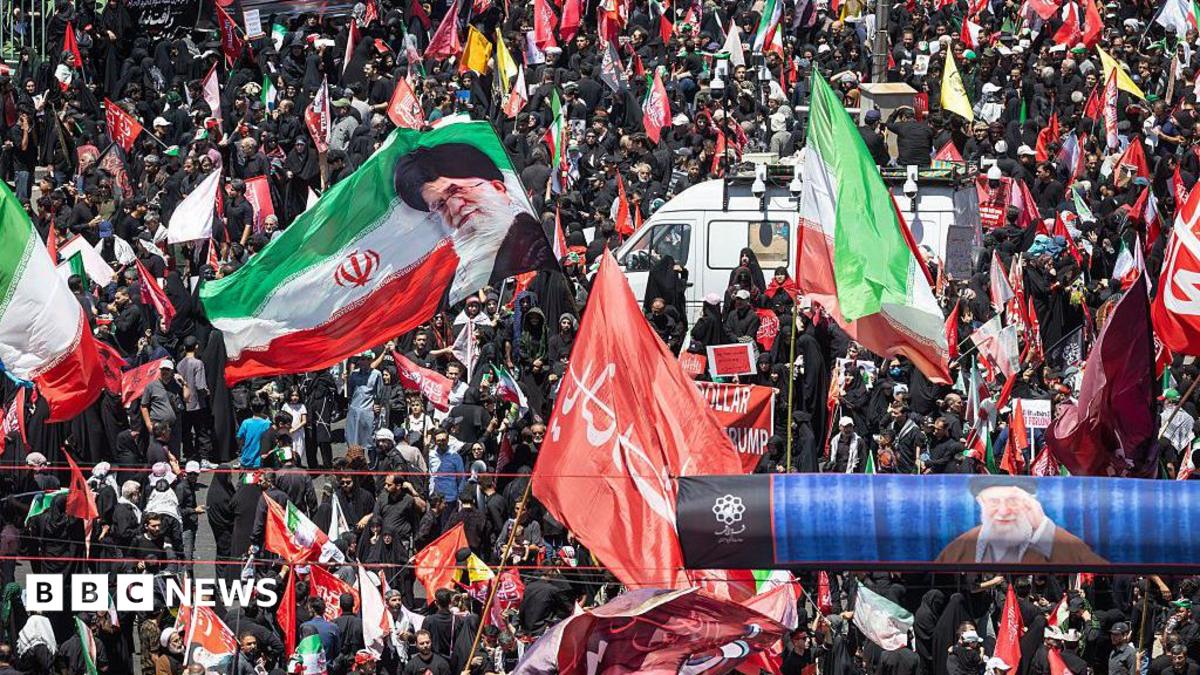
As Iran buried late Supreme Leader Ali Khamenei in Mashhad, U.S. and Iranian forces engaged in a severe escalation of airstrikes, effectively ending a fragile ceasefire.
Across the spectrum
Center-framed sources like BBC, CBS, and NPR prioritized factual reporting on tactical details, casualty figures, and the political context of the events, such as the internal shifts in Iran and the symbolic nature of funerals. They aimed for neutrality by presenting claims from both sides and contextualizing the conflict within broader geopolitical and domestic news cycles without strong editorializing.
Right-leaning outlets such as Fox News and Breitbart framed the conflict as a failure of U.S. restraint, characterizing Iranian actions as terrorist aggression and the previous ceasefire as a capitulation. They emphasized the necessity of U.S. military accountability, highlighted successful defenses by allies, and supported hardline approaches to 'finish the job' against a hostile Iranian regime.
The single left-leaning source, Al Jazeera, offered a critical perspective by focusing on the diplomatic friction caused by U.S. attempts to involve NATO in the conflict. It highlighted European refusal to participate, framing the war as a divisive issue for Western allies rather than focusing primarily on the military tactics or Iranian domestic politics.
Full synthesis
On July 9, 2026, Iran buried former Supreme Leader Ayatollah Ali Khamenei in Mashhad as the United States and Iran engaged in a significant escalation of military strikes. The U.S. military reported hitting approximately 90 Iranian targets, including air defenses and naval infrastructure, in retaliation for Iranian attacks on commercial vessels in the Strait of Hormuz. Iran reported at least 14 deaths from the strikes and launched retaliatory missile and drone attacks against U.S. bases in Bahrain, Kuwait, Qatar, and Jordan. President Donald Trump declared the June ceasefire agreement “over,” warning that strikes would intensify if shipping attacks continued, while Iranian officials vowed further retaliation and insisted on maintaining control over the strait’s navigation.
The renewed hostilities overshadowed Khamenei’s funeral, which concluded a week of mass mourning processions across Iran and Iraq. Mourners in Mashhad carried banners calling for vengeance against President Trump, reflecting heightened anti-U.S. sentiment. Khamenei’s successor, Mojtaba Khamenei, remained absent from public view, reportedly wounded in the February strike that killed his father. The conflict has disrupted global energy markets, with oil shipments through the Strait of Hormuz slowing significantly. Analysts note that divergent interpretations of the Memorandum of Understanding regarding the strait’s administration lie at the core of the breakdown in diplomacy, raising fears of a return to full-scale war.
U.S.-Iran Conflict Escalates Amid Khamenei’s Burial and Strait of Hormuz Dispute