US, Israel, and Lebanon Sign Framework Agreement Linking Peace to Hezbollah Disarmament
June 26, 2026
Israel and Lebanon signed a US-brokered framework agreement aimed at ending cross-border conflict, though Hezbollah rejected the deal as invalid and vowed to continue fighting.
Across the spectrum
Center-framed sources provided a neutral, detail-oriented account focusing on the diplomatic mechanics, key terms, and geopolitical context of the agreement. They emphasized the conditional nature of the deal, the absence of Hezbollah from the talks, and the broader implications for US-Iran relations without taking a definitive moral or political stance.
Right-leaning outlets celebrated the agreement as a decisive strategic victory against Iranian influence and a triumph for the Trump administration's foreign policy. They heavily highlighted security benefits for Israel and Lebanon, often dismissing Hezbollah's rejection as irrelevant or framing the deal as a necessary step for sovereignty.
Left-framed sources focused critically on the humanitarian costs and legal implications, arguing that the deal might obstruct accountability for war crimes and normalize Israeli actions. They emphasized skepticism regarding the agreement's viability, particularly given Hezbollah's exclusion and the potential for ongoing civilian casualties.
Full synthesis
The United States, Israel, and Lebanon signed a trilateral framework agreement in Washington on June 26, 2026, aimed at establishing a pathway to lasting peace and security. The deal, mediated by Secretary of State Marco Rubio, outlines a sequenced process wherein Israeli forces will gradually withdraw from occupied southern Lebanese territory only after the Lebanese Army restores sovereign authority and Hezbollah is disarmed. The agreement includes the creation of two "pilot zones" for initial Lebanese military deployment and excludes Iran from the negotiations, despite Tehran’s insistence on a role in regional stability following a recent US-Iran memorandum of understanding.
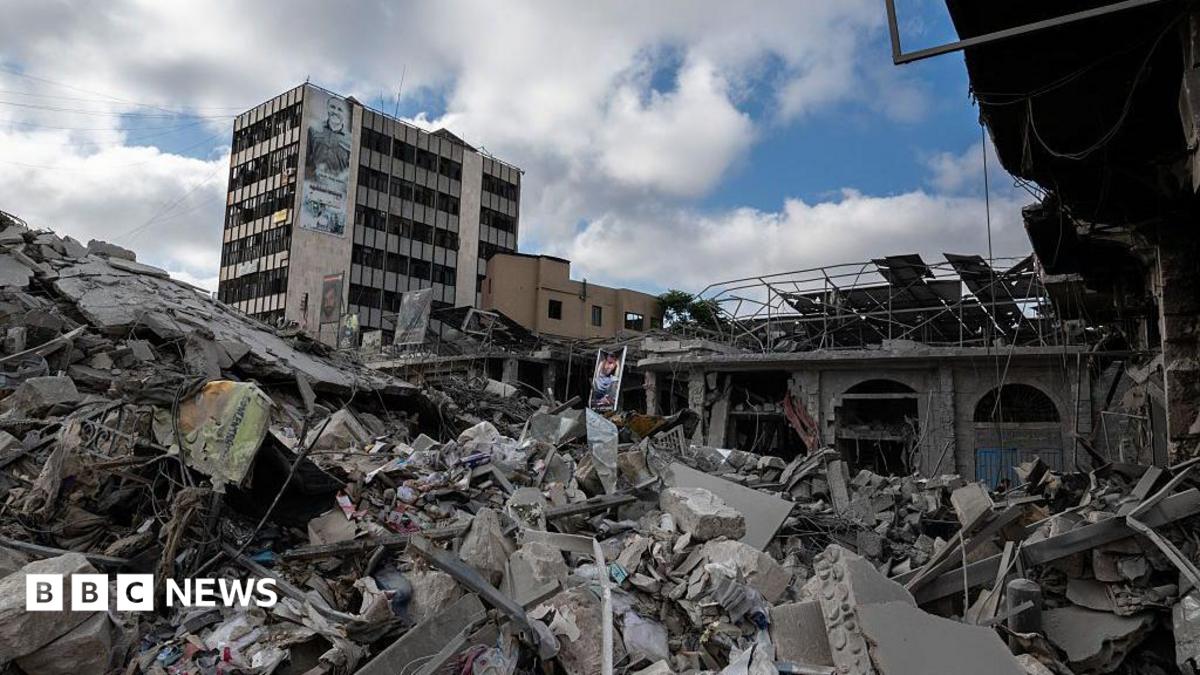
Hezbollah, which was not a party to the talks, immediately rejected the framework, with Secretary-General Naim Qassem declaring it "null and void" and a "surrender of sovereignty." The group vowed to maintain its weapons and continue resistance against Israel. While Israeli Prime Minister Benjamin Netanyahu hailed the deal as a major blow to Iranian influence, he reiterated that Israel would maintain its security zone in Lebanon until Hezbollah is fully disarmed. Critics, including human rights organizations, warned that the agreement’s provisions could hinder accountability for alleged war crimes and exacerbate domestic tensions in Lebanon, where protests erupted against the perceived concessions to Israel.
US, Israel, and Lebanon Sign Framework Agreement Linking Peace to Hezbollah Disarmament