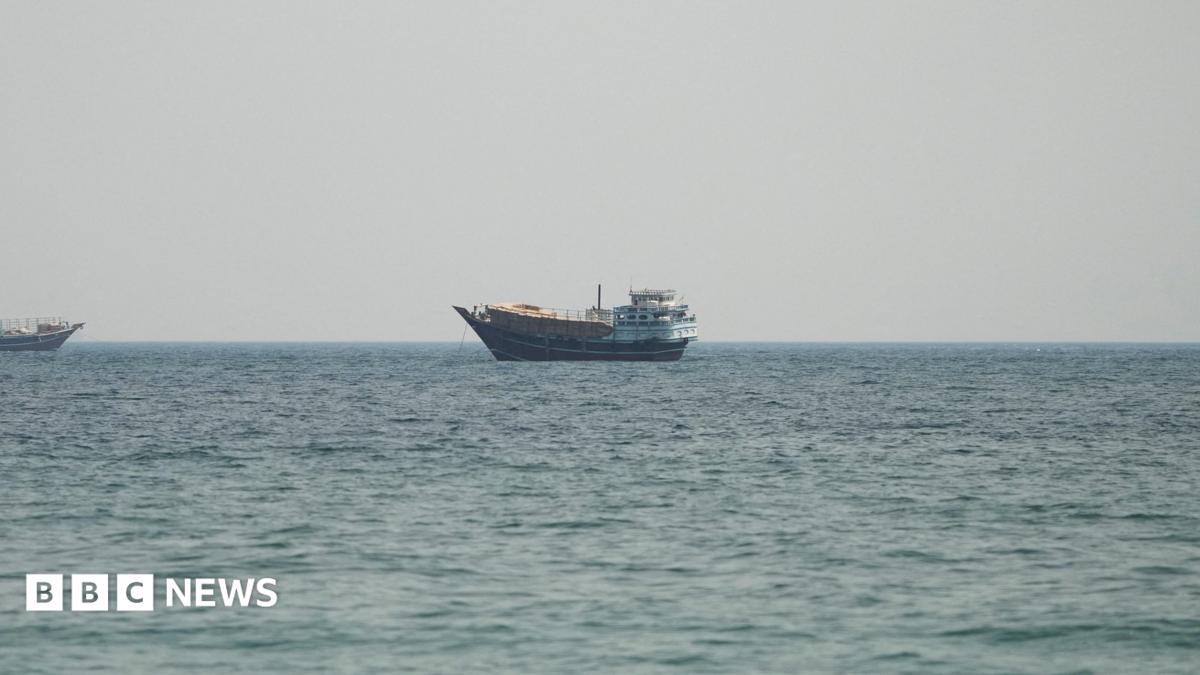
Trump Reverses Hormuz Toll After Gulf Deals; Iran Escalates Strikes on US Bases
July 13, 2026
President Trump replaced a controversial 20% Strait of Hormuz toll with Gulf investment deals, even as Iran launched direct attacks on US military bases in Bahrain, Kuwait, and Jordan, signaling a deepening regional conflict.
Across the spectrum
Center sources predominantly focused on the logistical, legal, and economic implications of the toll, emphasizing expert opinions on its illegality and market destabilization. They reported factually on the policy reversal and the shift toward investment deals, often highlighting the collapse of diplomatic efforts and the strategic difficulties of controlling the strait.
Right-leaning outlets generally framed the initial toll proposal as a bold negotiating tactic or a means to generate revenue, often praising Trump's assertive stance and the subsequent pivot to securing investment deals. Coverage frequently highlighted hawkish military perspectives, supporting the degradation of Iran's capabilities and criticizing diplomatic softness.
Left-framing sources critically depicted the toll as extortionate, hypocritical, and indicative of an ad-hoc, failing strategy. They emphasized the negative impact of the conflict on global stability and oil prices, while highlighting political opposition to the administration's handling of the war and the contradiction with previous policy stances.
Full synthesis
President Donald Trump announced on July 13 that the U.S. would reinstate a naval blockade on Iranian ports and impose a 20% toll on cargo transiting the Strait of Hormuz to reimburse security costs. The proposal faced immediate rejection from the shipping industry and legal experts who cited violations of international maritime law. The announcement coincided with renewed airstrikes between the U.S. and Iran, which had collapsed a June ceasefire, driving oil prices higher and reducing vessel traffic in the strait.
By July 14, Trump reversed the toll policy, stating that “highly productive conversations” with Gulf allies led to a new arrangement involving massive trade and investment deals from Saudi Arabia, the UAE, and other regional partners. While the U.S. maintained its blockade of Iranian vessels, the reversal averted a potential crisis in global supply chains. However, tensions escalated further as Iran launched attacks on U.S. military bases in Bahrain, Kuwait, and Jordan, with the IRGC vowing to keep the strait closed until the “end of America’s evils.”
Trump Reverses Hormuz Toll After Gulf Deals; Iran Escalates Strikes on US Bases