Indirect U.S.-Iran Talks Resume in Doha Amid Strait of Hormuz Tensions
July 1, 2026
U.S. and Iranian negotiators held indirect talks in Qatar mediated by Pakistan, while Vice President JD Vance claimed the U.S. holds all leverage despite ongoing disputes over shipping routes and frozen assets.
Across the spectrum
Left-leaning sources critically assessed the administration's strategy, arguing that military actions and Netanyahu's influence weakened U.S. leverage and destabilized the region. They also scrutinized the diplomatic envoys' qualifications, suggesting that business ties and conflicts of interest undermined professional diplomacy. Additionally, they highlighted the war's broader economic impacts, such as accelerated renewable energy adoption reducing reliance on the Strait of Hormuz.
Center-framed outlets provided a factual overview of the indirect talks, logistical details, and specific sticking points like nuclear inspections and the Strait of Hormuz. They emphasized the establishment of communication channels and hotlines while noting the fragility of the ceasefire and shifting public sentiments in Israel. These sources balanced reporting on diplomatic progress with skepticism from experts and analysis of international tensions, such as those with Saudi Arabia.
Right-leaning coverage focused on the strength of the U.S. negotiating position, amplifying claims of leverage and the destruction of Iran's nuclear capabilities. They framed the administration's approach as a unified, strength-based strategy that contrasted favorably with past failures in Afghanistan and Iraq. Reports highlighted Iran's defiance and threats, portraying the U.S. as managing a tough but necessary diplomatic process with confidence in its military backing.
Full synthesis
Indirect negotiations between the United States and Iran resumed in Doha, Qatar, on Wednesday, July 1, 2026, mediated by Qatari and Pakistani officials. Senior U.S. envoys Steve Witkoff and Jared Kushner met with Qatari leaders but did not engage in direct talks with Iranian counterparts, confirming earlier denials from Tehran. The discussions, framed by mediators as showing "positive progress," focused on implementing a June memorandum of understanding that established a 60-day ceasefire and addressed Iran’s nuclear program, frozen assets, and regional conflicts in Lebanon.
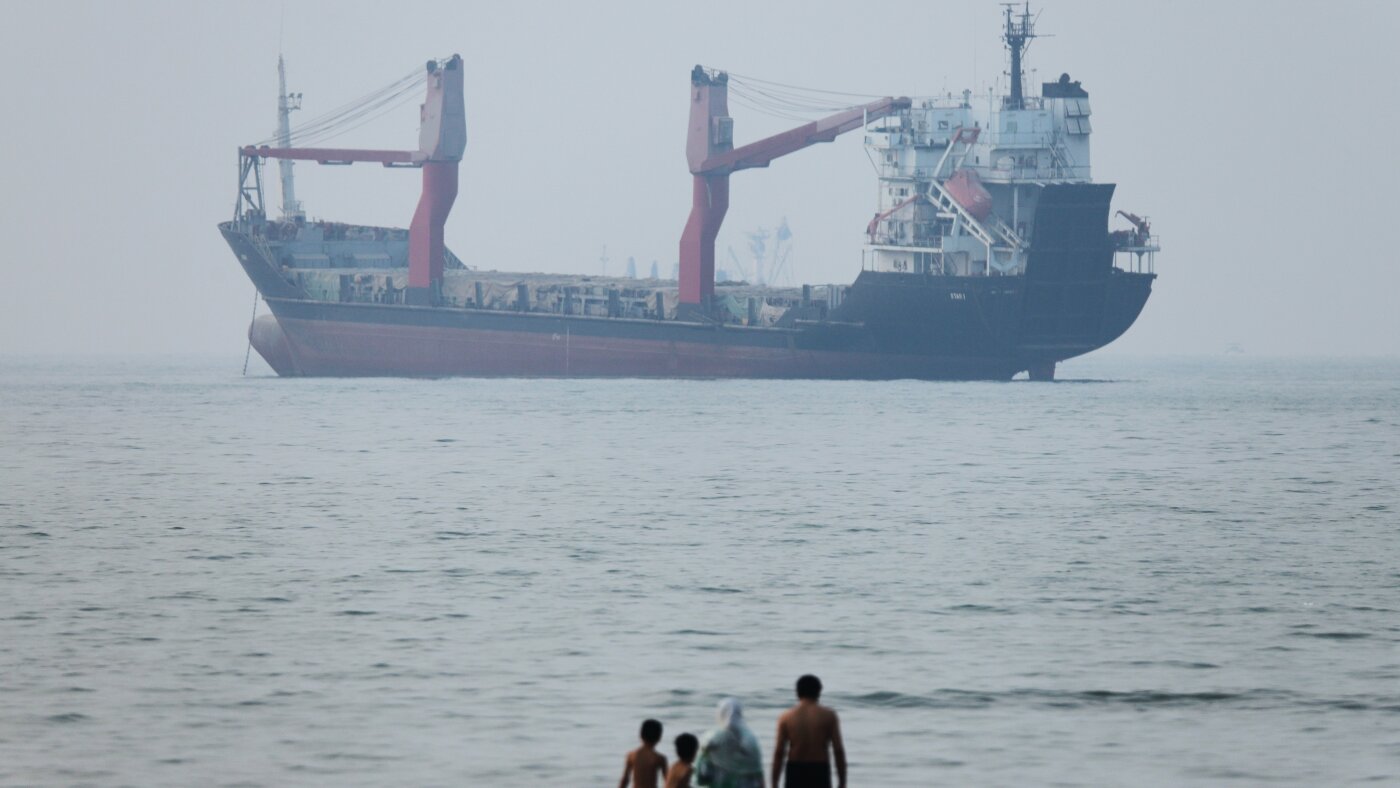
Vice President JD Vance asserted that the U.S. has "all the cards" in the negotiations, claiming the core mission of preventing Iran from acquiring nuclear weapons has already been achieved regardless of the outcome. However, significant tensions persist. A container ship ran aground in the Strait of Hormuz after deviating from Iranian-designated routes, highlighting Iran’s insistence on controlling the waterway and potentially levying fees. Meanwhile, Israeli officials expressed alarm that the emerging deal might fail to dismantle Iran’s proxy networks, and Saudi Arabia reportedly strained its ties with Washington over the war’s conduct.
Indirect U.S.-Iran Talks Resume in Doha Amid Strait of Hormuz Tensions