US Gas Prices Hit $4 Average as US-Iran Conflict Escalates
July 20, 2026
U.S. gasoline prices have rebounded to a national average of $4 per gallon as renewed military strikes between the U.S. and Iran disrupt oil shipments through the Strait of Hormuz.
Across the spectrum
This group provides a comprehensive, multi-faceted analysis focusing on the economic, political, and geopolitical drivers of rising gas prices. They emphasize factual reporting on market mechanics, such as oil supply disruptions in the Strait of Hormuz, and detail secondary effects like airline profitability and consumer hardship. Additionally, they extensively cover the political implications, particularly the potential electoral risks for Republicans in the upcoming midterms due to voter affordability concerns.
Right-leaning sources frame the price increase through the lens of national security and military necessity, arguing that decisive action against Iran is required to prevent nuclear proliferation. While acknowledging the economic impact, they contextualize the costs as necessary for long-term stability, often linking the narrative to administrative perspectives or political frustrations rather than criticizing the underlying military strategy. The coverage tends to justify the escalation by prioritizing strategic outcomes over immediate consumer costs.
Full synthesis
The national average price for regular gasoline in the United States has risen to $4 per gallon, marking the first time it has reached this level since mid-June. This spike follows the collapse of an interim ceasefire between the U.S. and Iran, leading to renewed aerial strikes and heightened tensions in the Middle East. The conflict has severely disrupted energy flows through the Strait of Hormuz, a critical chokepoint for global oil supply, causing Brent crude to surge past $90 a barrel and U.S. crude to climb above $84.
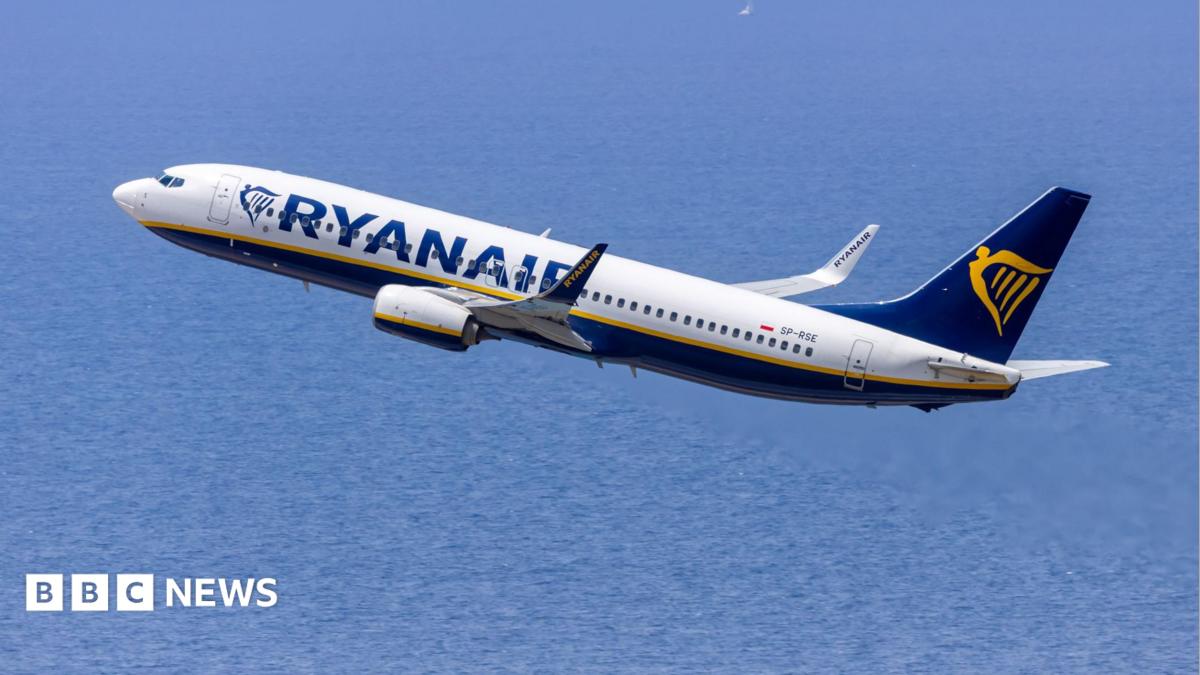
The escalation has triggered broader economic and political ripple effects. Drivers across the U.S. are facing higher costs, with prices varying significantly by state due to local taxes and supply logistics. Globally, airlines such as Ryanair have reported profit declines and warned of industry strain due to soaring jet fuel costs. Domestically, the rising prices present a potential political liability for President Donald Trump and Republicans ahead of the November midterm elections, as affordability remains a top concern for voters. While diplomatic channels remain technically open, the immediate focus is on securing shipping lanes and mitigating further supply shocks.
US Gas Prices Hit $4 Average as US-Iran Conflict Escalates