Millions Mourn Slain Supreme Leader Khamenei in Tehran as Successor Remains Absent
July 6, 2026
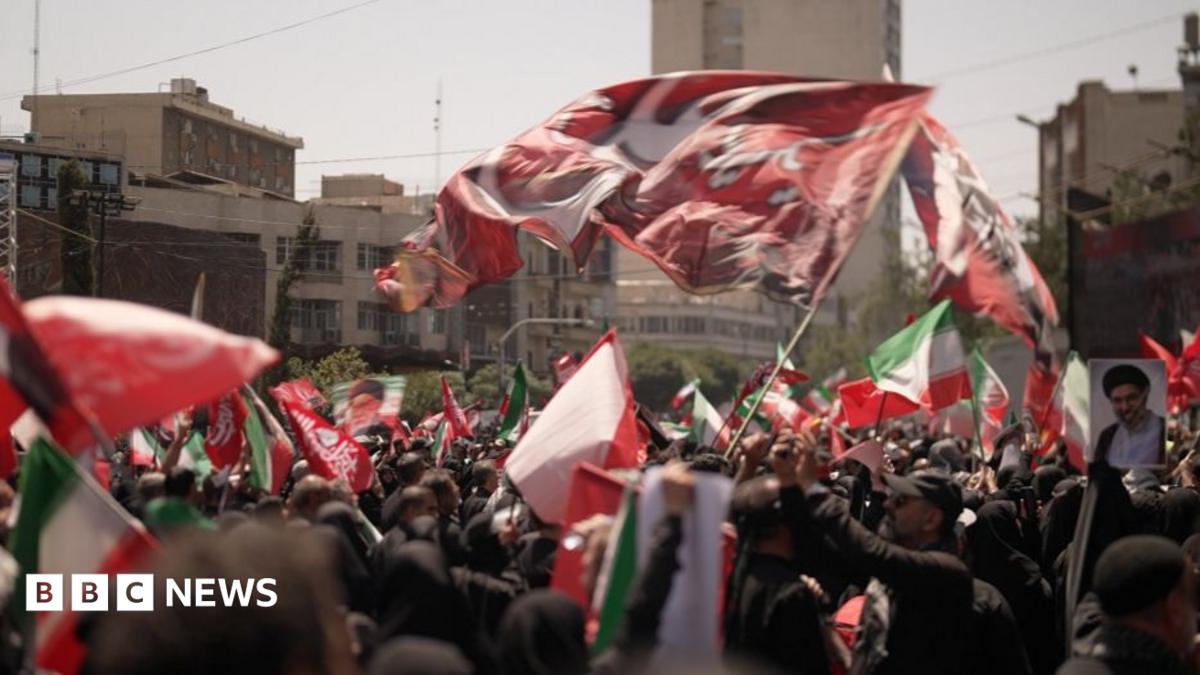
Massive crowds gathered in Tehran for the funeral procession of Iran's late Supreme Leader Ayatollah Ali Khamenei, who was killed in US-Israeli airstrikes, while his successor Mojtaba Khamenei remains absent from public view amid security concerns and peace negotiations.
Across the spectrum
This group focused heavily on the strategic and diplomatic implications of the funeral, particularly the conspicuous absence of the new supreme leader and its impact on negotiations. They detailed the regime's use of the event as a display of strength and unity while noting the pause in US-Iran talks and concerns over the Strait of Hormuz. Coverage emphasized factual reporting on crowd sizes, security measures, and the political messaging sent to both domestic and international audiences.
Sources in this group framed the event through a critical lens of US foreign policy, often labeling the war as misconceived or highlighting Western hypocrisy regarding human rights claims. They emphasized the emotional reality of the mourners and the social resilience displayed against US pressure, contrasting the state's spectacle with the visible war damage and repression in Iran. Their coverage tended to validate the sentiment of the crowds and critique the political actions of the Trump administration.
This group characterized the late leader as a brutal dictator and suggested that the mourning was forced or propagandistic, often questioning the legitimacy and competence of the successor. They highlighted rumors about the new leader's health and personal life to frame his absence as a failure or vulnerability for the regime. Coverage strongly emphasized US leverage and President Trump's confidence in victory, dismissing the regime's narrative of resilience as extremist propaganda.
Full synthesis
Millions of mourners flooded the streets of Tehran on Monday for the funeral procession of Iran’s late Supreme Leader, Ayatollah Ali Khamenei, who was killed alongside family members in a US-Israeli airstrike on February 28. The massive display, intended by the Iranian government to project national unity and resilience, featured crowds chanting for revenge against the United States and Israel, with some hanging effigies of President Donald Trump. Despite the scale of the ceremony, Iran’s new Supreme Leader, Mojtaba Khamenei, remained conspicuously absent. His other brothers attended, but Mojtaba has not appeared publicly since being reportedly wounded in the initial strikes, with officials citing severe security threats and potential assassination attempts as the primary reasons for his seclusion.
The funeral coincides with a fragile 60-day ceasefire and ongoing negotiations between Washington and Tehran regarding the reopening of the Strait of Hormuz and Iran’s nuclear program. While the US and Iran seek a final peace agreement, tensions remain high; Israeli officials have threatened further action against Iranian leadership, and Iran has asserted its control over key shipping routes. The event marks a critical juncture for the Islamic Republic, which aims to demonstrate continued stability and legitimacy to domestic and international audiences following months of conflict and previous internal unrest.
Millions Mourn Slain Supreme Leader Khamenei in Tehran as Successor Remains Absent