Keir Starmer Resigns as UK Prime Minister Amid Political Turmoil and Brexit Decade Review
June 22, 2026
UK Prime Minister Keir Starmer announced his resignation on June 22, 2026, becoming the sixth PM in a decade following the Brexit vote, as Andy Burnham prepares to succeed him amid economic struggles and strained US ties.
Across the spectrum
Left-leaning sources frame Starmer's resignation as a systemic failure rooted in the lasting economic and political damage of Brexit. They emphasize his diplomatic struggles against US unilateralism and portray him as a casualty of broader instability rather than solely focusing on his personal policy decisions.
Right-leaning perspectives depict the resignation as a chaotic departure marked by internal dissent and a failure to align with US strategic interests. They highlight procedural attempts to control the narrative and criticize Starmer's perceived weakness on security and energy policies, particularly in relation to Trump's criticisms.
Center sources provide a neutral, factual account of the resignation, focusing on the procedural transition to Andy Burnham and the historical context of post-Brexit leadership turnover. They emphasize data, market reactions, and party dynamics without heavy editorializing, presenting the event as a standard, albeit pressured, political succession.
Full synthesis
UK Prime Minister Keir Starmer announced his resignation as leader of the Labour Party on June 22, 2026, ending a premiership marked by plummeting popularity and intense internal party pressure. Starmer, who won a landslide election victory in July 2024, stated he would remain in office as caretaker prime minister until a successor is chosen, with former Greater Manchester Mayor Andy Burnham emerging as the likely frontrunner after winning a by-election the previous week. This departure marks the sixth change in prime ministers in just ten years, highlighting the political instability that has plagued Britain since the 2016 Brexit referendum.
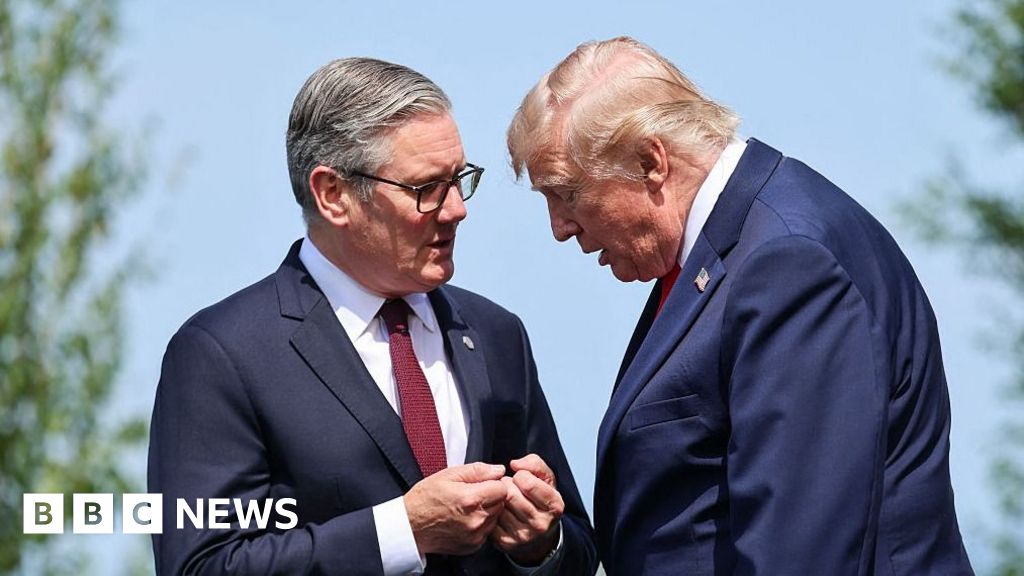
The resignation comes as the UK grapples with the long-term economic and social consequences of Brexit, with analysts noting that GDP growth has stagnated and net migration patterns have shifted significantly. Starmer’s tenure faced additional strain from a fractured relationship with US President Donald Trump, particularly over the UK’s refusal to join the US-led military conflict in Iran. As the leadership contest begins, the new Prime Minister will face the dual challenges of stabilizing a weary political landscape and addressing public dissatisfaction with the cost of living and public services.
Keir Starmer Resigns as UK Prime Minister Amid Political Turmoil and Brexit Decade Review