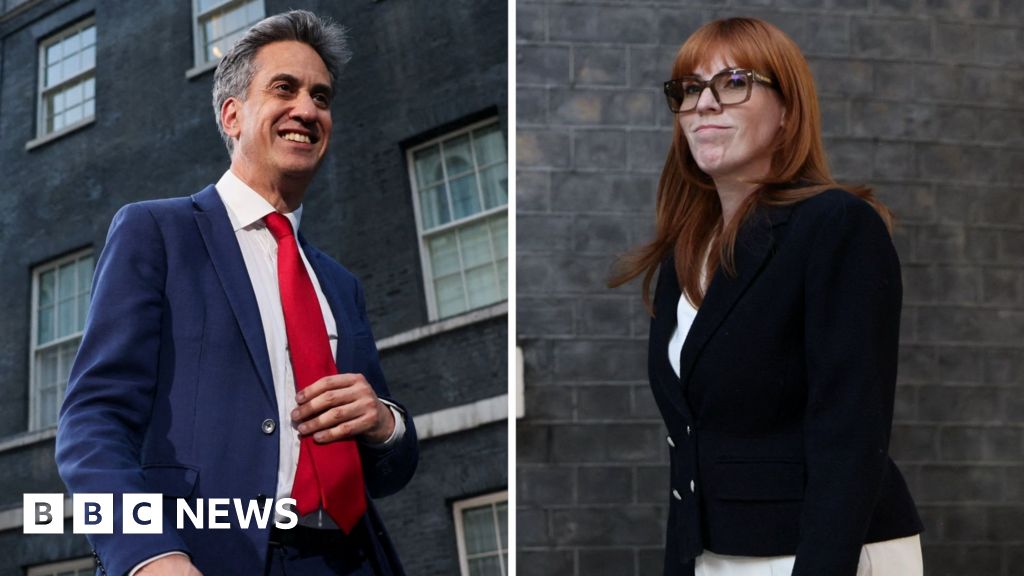
Andy Burnham Becomes UK’s Seventh Prime Minister in a Decade Amid Economic Challenges
July 20, 2026
Andy Burnham has succeeded Keir Starmer as UK Prime Minister, pledging a '10-year plan' to tackle living costs and devolve power while facing immediate fiscal and diplomatic hurdles.
Across the spectrum
Left-leaning sources, exclusively from the Guardian, focused on the internal political dynamics and ideological shift within the Labour party. They emphasized Burnham’s potential to overcome procedural constraints through bolder, empathetic leadership and highlighted his agenda for regional empowerment and social care reform. These perspectives critically examined factionalism and the economic tightrope Burnham must navigate to deliver change without spooking markets.
The majority of sources provided neutral, factual reporting on the ceremonial transition, Burnham’s biographical background, and his immediate policy announcements such as scrapping the digital ID scheme. They contextualized the leadership change within the frequency of recent PM turnovers and detailed the logistical and parliamentary mechanics of the succession. Coverage largely balanced Burnham’s populist rhetoric and regional identity with the significant economic challenges and structural constraints he inherited.
Right-leaning sources were sparse but sharply critical, primarily focusing on Washington Examiner's portrayal of Burnham as a 'savior' with liberal policies lacking a popular mandate. This framing emphasized the dismissive reaction from international figures like Trump and highlighted concerns over his alignment with US defense and energy interests. The coverage underscored skepticism toward his policy platform, contrasting it with perceived economic failures of recent leadership.
Full synthesis
Andy Burnham officially became the United Kingdom’s Prime Minister on Monday, July 20, 2026, following the resignation of Keir Starmer. After meeting King Charles III at Buckingham Palace, Burnham delivered his first address outside Downing Street, declaring the transition a "circuit-breaker" for British politics. He announced a 10-year plan aimed at devolving power from London, ending rough sleeping with an immediate £340 million investment, and addressing the cost-of-living crisis. Burnham, the former Mayor of Greater Manchester, won the Labour leadership unopposed after returning to Parliament via a special election, becoming the seventh PM in a decade.
Burnham’s administration faces significant immediate challenges, including a sluggish economy, high public debt, and strained relations with the US over energy and defense policies. In his first cabinet reshuffle, he appointed John Healey as Chancellor, signaling a cautious fiscal approach despite promises of bold structural change. While critics question the speed of his transition, Burnham vows to restore public trust through a more collaborative political model, though he must navigate internal party divisions and skepticism regarding his ability to deliver tangible improvements without triggering market instability.
Andy Burnham Becomes UK’s Seventh Prime Minister in a Decade Amid Economic Challenges