Burnham Cuts VAT on Electricity Bills in First Major Policy Move
July 21, 2026
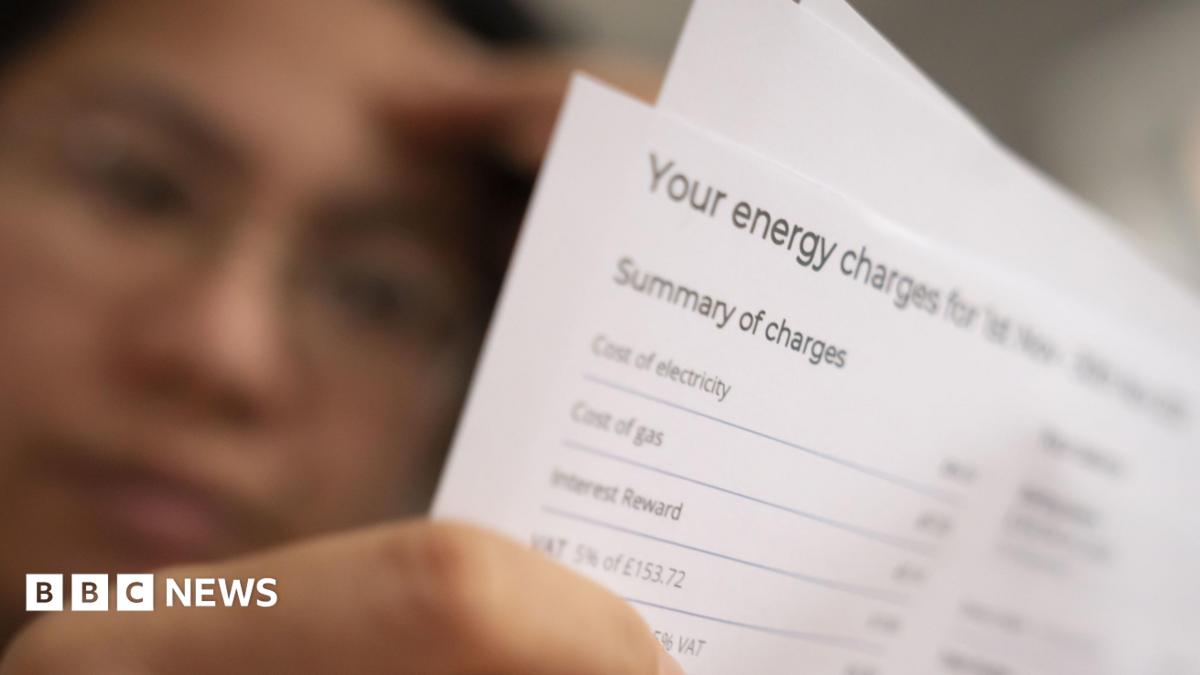
New UK Prime Minister Andy Burnham announced the removal of VAT on household electricity bills from October, a measure funded by scrapping the digital ID programme, to ease cost-of-living pressures.
Across the spectrum
All 5 sources framed this story similarly (center) — there’s no left/center/right split to break down here.
Full synthesis
New Prime Minister Andy Burnham has announced the removal of VAT from household electricity bills, effective 1 October, as his first major policy intervention to alleviate cost-of-living pressures. The measure, which will reduce annual bills by approximately £45 for a typical household, is estimated to cost the Treasury £850m in the 2026-27 financial year. The government stated this reduction would be funded by savings from the cancellation of the proposed digital ID programme, a project projected to cost £1.8bn over three years. Chancellor John Healey described the move as providing “reassurance this winter” and helping to bring down inflation. The announcement comes just one day after Burnham succeeded Keir Starmer as prime minister and appointed a new cabinet, including Healey as chancellor and Angela Rayner as housing secretary.
While the policy has been welcomed by some as immediate relief, it faces scrutiny regarding its funding mechanism. Former Chief Secretary to the Treasury Darren Jones, dismissed in Burnham’s reshuffle, questioned whether the digital ID scheme had any allocated funds to save, suggesting the tax cut is effectively unfunded. Lib Dem leader Ed Davey criticized the policy as confusing and called for an “essential energy guarantee” instead. Meanwhile, markets responded cautiously; although UK borrowing in June was lower than expected, investors are monitoring the new administration’s fiscal credibility, particularly given Burnham’s promises of broader economic interventions, including potential rent freezes and utility de-privatization.
Burnham Cuts VAT on Electricity Bills in First Major Policy Move