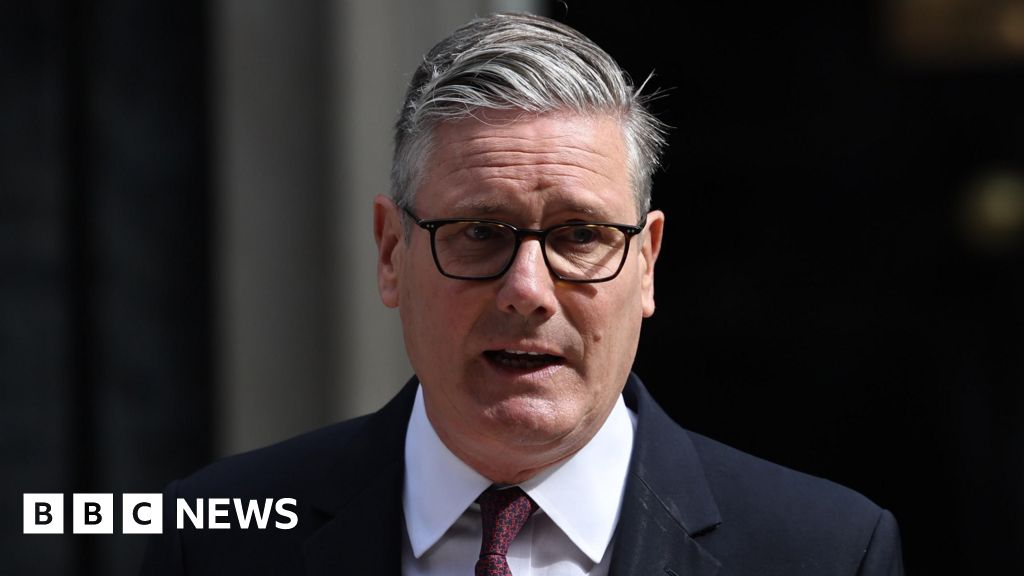
UK Prime Minister Keir Starmer Resigns Amid Internal Revolt and Electoral Defeats
June 22, 2026
Keir Starmer announced his resignation on June 22, 2026, following catastrophic local election losses, a cabinet revolt, and the return of rival Andy Burnham to Parliament, setting the stage for Burnham’s likely succession by September.
Across the spectrum
The single source with a left-leaning framing characterized Starmer’s departure as a tragic governance failure, emphasizing internal chaos and policy ineptitude rather than external pressures. It focused heavily on the catastrophic loss of a landslide mandate and portrayed the resignation as a result of poor decision-making and an inability to handle power.
Center-framed sources predominantly provided factual, procedural accounts of the resignation, focusing on the timeline, constitutional mechanics, and Andy Burnham’s emergence as successor. Their coverage emphasized historical context regarding rapid prime ministerial turnover and detailed the internal political pressures and local election defeats that made Starmer's position untenable, without significant editorial judgment.
Right-leaning outlets framed the resignation as a definitive consequence of Starmer’s incompetence and moral failures, often linking the collapse to scandals and weak leadership on key issues like immigration and energy. They highlighted the victory of the populist right, including the rise of Reform UK and criticism from Donald Trump, portraying the leadership change as a necessary correction to failed policies.
Full synthesis
UK Prime Minister Keir Starmer announced his resignation as Labour leader and Prime Minister on June 22, 2026, accepting the loss of confidence from his parliamentary party. The decision follows months of intense pressure, including a cabinet revolt led by ministers like Jess Phillips and Miatta Fahnbulleh, and devastating local election results where Labour lost over 1,500 council seats to Nigel Farage’s Reform UK party. Starmer, who leads the country’s seventh prime ministerial change in a decade, stated he would remain in office as a caretaker until a successor is chosen.
The resignation was precipitated by the Makerfield by-election victory of Andy Burnham, who returned to Parliament with a mandate to challenge Starmer. Burnham, widely viewed as the frontrunner, has secured significant support from MPs eager to reverse Labour’s declining fortunes against Reform UK. Starmer set a timetable for the leadership contest, with nominations opening July 9 and a new leader expected to be in place before Parliament resumes in September. While Wes Streeting initially considered a challenge, he is expected to step aside, paving the way for an unopposed Burnham succession.
UK Prime Minister Keir Starmer Resigns Amid Internal Revolt and Electoral Defeats