US-Iran Conflict Intensifies with Infrastructure Strikes, Regional Retaliation, and Collapsed Peace Hopes
July 17, 2026
The US and Iran exchanged a sixth night of airstrikes, with the US targeting bridges and ports while Iran struck US allies in the Gulf, as diplomatic efforts mediated by China and Pakistan faltered amid rising casualties.
Across the spectrum
Left-framed sources, predominantly from Al Jazeera and The Guardian, heavily emphasized the humanitarian crisis and alleged violations of international law. They focused on civilian casualties, the evacuation of a children's cancer hospital, and framed US strikes on infrastructure as potential war crimes against non-combatants. This group also highlighted the economic impact on American consumers, linking military escalation directly to rising gas prices.
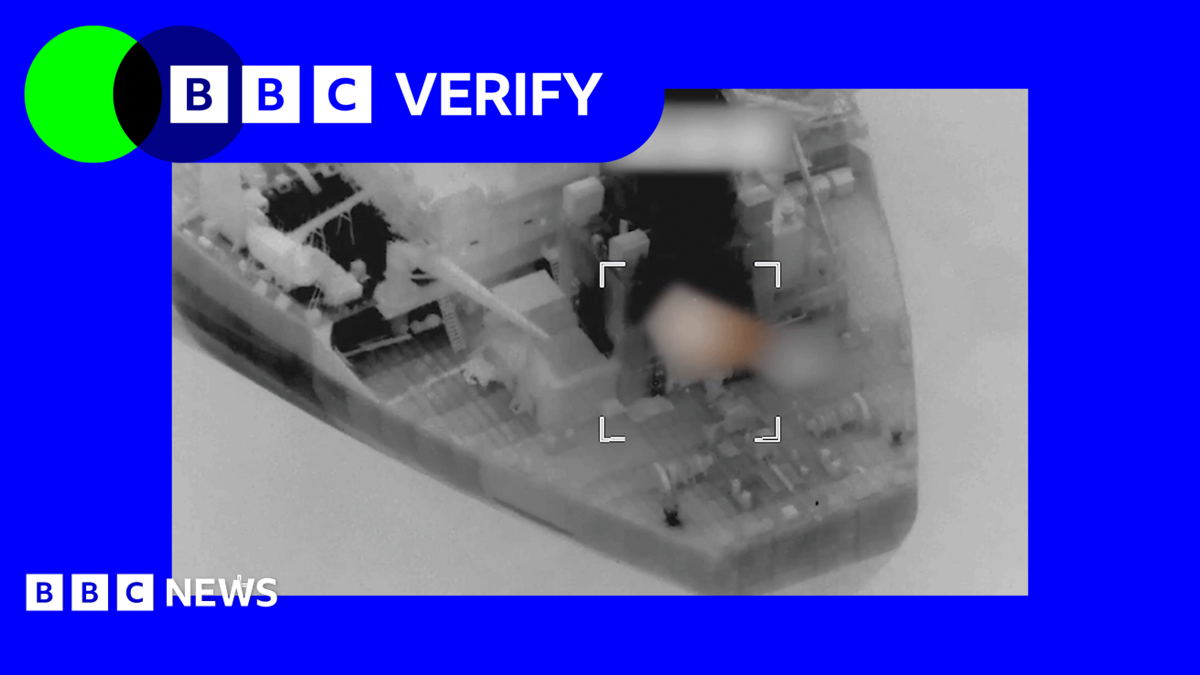
Center-framed sources provided factual, chronological reporting on the military exchanges, focusing on the timeline of strikes, naval blockades, and diplomatic backchannels. They detailed specific tactical events, such as the disabling of the oil tanker Belma and strikes on Greater Tunb Island, while maintaining neutrality regarding the legality or morality of the actions. These outlets emphasized the strategic implications for the Strait of Hormuz and the ongoing, albeit stalled, nature of negotiations.
Right-framed sources, including the NY Post, Breitbart, and The Washington Times, adopted a supportive tone toward US military strategy, framing the strikes as necessary and justified enforcement of national interests. They portrayed Iran as a 'terrorist regime' and emphasized the precision of US attacks on key infrastructure to break Iran's chokehold on regional shipping. This group highlighted the strength of US leadership and the effectiveness of military pressure as a negotiation tactic.
Full synthesis
The conflict between the United States and Iran escalated significantly on July 17, marking a sixth consecutive night of reciprocal airstrikes and the apparent collapse of recent peace hopes. The US military expanded its campaign to include critical infrastructure, striking bridges in southern Iran and a surveillance tower at the Chabahar port, fulfilling President Trump’s threats to target transportation and power networks. Simultaneously, US forces enforced a naval blockade by disabling an oil tanker attempting to breach the cordon in the Strait of Hormuz. In retaliation, Iran launched missiles and drones against US-aligned bases in Bahrain, Kuwait, Jordan, Qatar, and Syria, with Iranian officials denying any benefit from the suspended negotiations and threatening further disruption of regional shipping.
US-Iran Conflict Intensifies with Infrastructure Strikes, Regional Retaliation, and Collapsed Peace Hopes