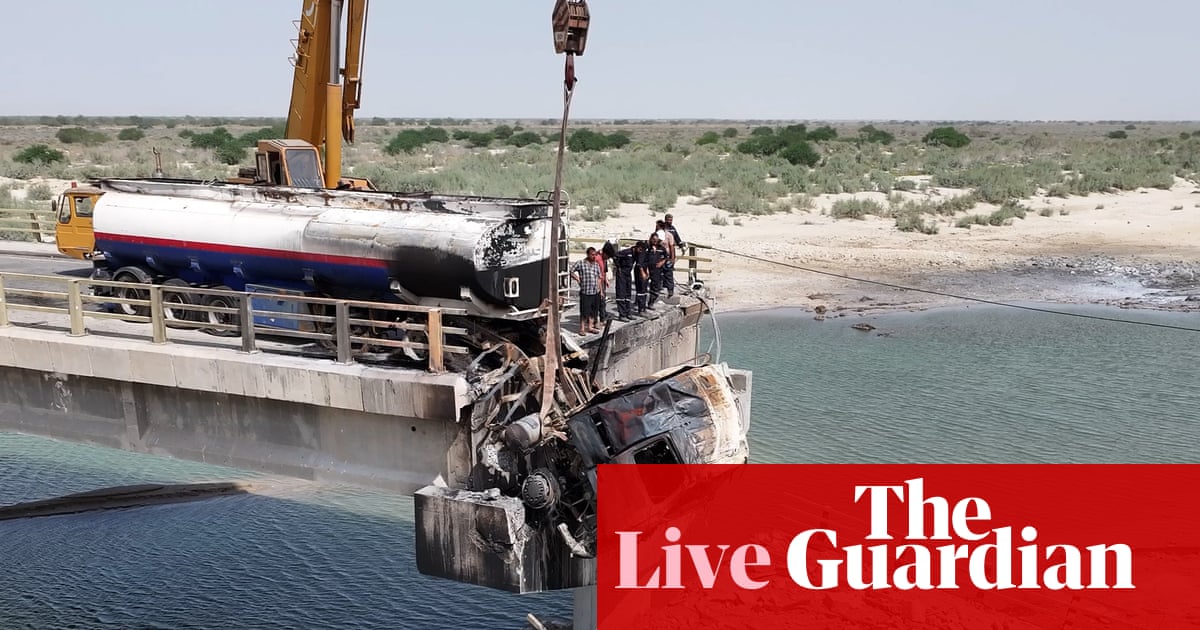
U.S. Troop Deaths in Jordan Spark New Escalation in Iran War; Civilian Infrastructure Hit in Gulf
July 17, 2026
Two U.S. service members were killed in Jordan and another died in Iraq following Iranian strikes, prompting a new round of U.S. retaliatory airstrikes as the conflict widens to target Gulf civilian infrastructure.
Across the spectrum
The majority of sources adopted a neutral, factual stance, focusing on casualty counts, military logistics, and geopolitical fallout. They emphasized the collapse of diplomatic efforts and the widening scope of the conflict, balancing official U.S. statements with reports on international reactions and humanitarian concerns.
This perspective framed the troop deaths as a catalyst for strengthened national resolve and patriotic determination. It heavily featured quotes from Republican leaders and Defense Secretary Hegseth, casting the military response as a necessary and firm stance against Iranian aggression.
Full synthesis
Two U.S. service members were killed and one went missing after Iran struck a U.S. base in Jordan with ballistic missiles and drones on July 17. A third service member died on July 19 during the controlled detonation of unexploded ordnance in northern Iraq, raising the total U.S. death toll in the conflict to 17. In response, U.S. Central Command launched its eighth consecutive night of airstrikes against Iran, targeting Revolutionary Guard facilities and military assets near the Strait of Hormuz to degrade Tehran’s ability to threaten shipping.
U.S. Troop Deaths in Jordan Spark New Escalation in Iran War; Civilian Infrastructure Hit in Gulf