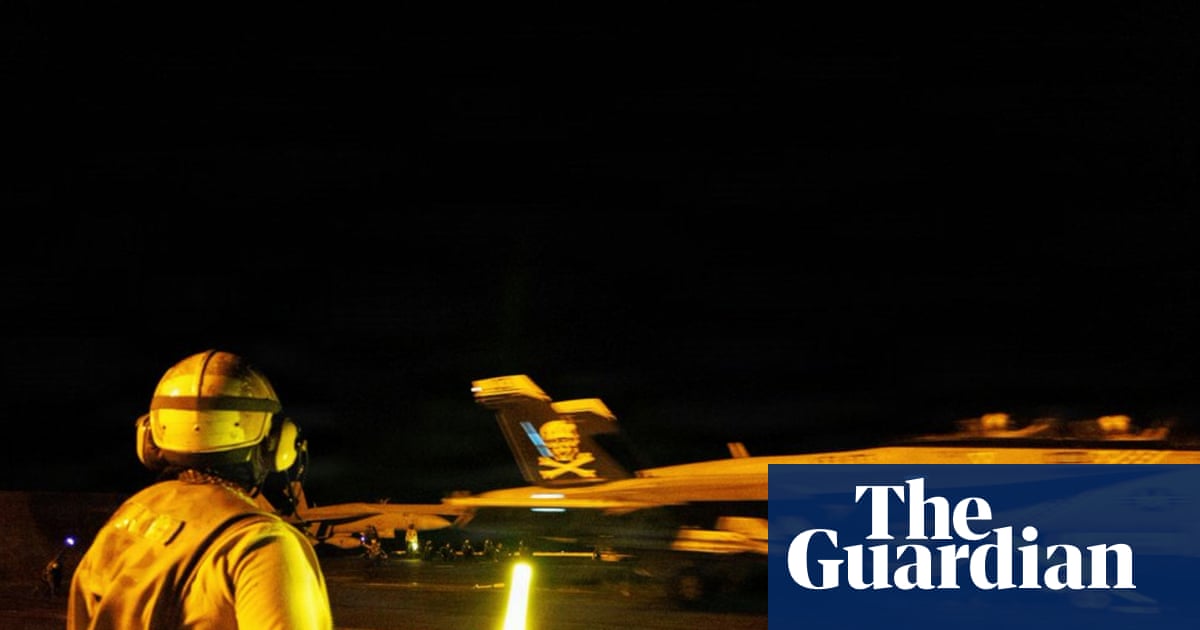
US and Iran Resume Strikes Amid Naval Blockade, Threatening Global Shipping
July 16, 2026
The US and Iran have resumed military strikes and a naval blockade in the Strait of Hormuz after a ceasefire collapsed, escalating tensions and disrupting global shipping routes.
Across the spectrum
Left-leaning sources such as Al Jazeera and The Guardian prioritize the humanitarian consequences of the conflict, emphasizing civilian casualties and the violation of international norms. They frame the US blockade as an aggressive and destabilizing escalation that actively undermines diplomatic efforts and regional peace.
Center-framed sources focus on strategic, economic, and operational details, such as the legal implications for global waterways, historical context of disputed islands, and specific military movements. Their coverage remains balanced by highlighting both sides' claims and the broader geopolitical risks to maritime security rather than taking a strong moral stance.
Full synthesis
Tensions in the Middle East have escalated sharply as the United States and Iran resumed military strikes and a naval blockade in the Strait of Hormuz following the collapse of a preliminary ceasefire agreement. US forces, including Marines from the 11th Marine Expeditionary Unit, have boarded commercial vessels like the M/T Wen Yao to enforce the blockade, while conducting airstrikes against Iranian infrastructure, including bridges and military sites. In retaliation, Iranian forces have launched missiles and drones at US bases in Bahrain, Kuwait, and Qatar, as well as targeting Saudi facilities. The conflict has disrupted maritime traffic, with shipping companies reporting a "worst-case scenario" where crews refuse to transit the strait due to safety concerns.
The renewed fighting has significant geopolitical and economic implications. The Strait of Hormuz, through which approximately one-fifth of global oil and gas passes, is effectively blocked, driving up energy prices and threatening supply chains. While the White House maintains that diplomacy remains an option, Iran insists it will not yield to military pressure. Regional mediators, including Pakistan and Qatar, are attempting to facilitate negotiations, but the immediate outlook remains uncertain. The conflict also revives historical disputes, with US strikes on islands like Abu Musa and Greater Tunb highlighting contested territorial issues that complicate any potential resolution.
US and Iran Resume Strikes Amid Naval Blockade, Threatening Global Shipping