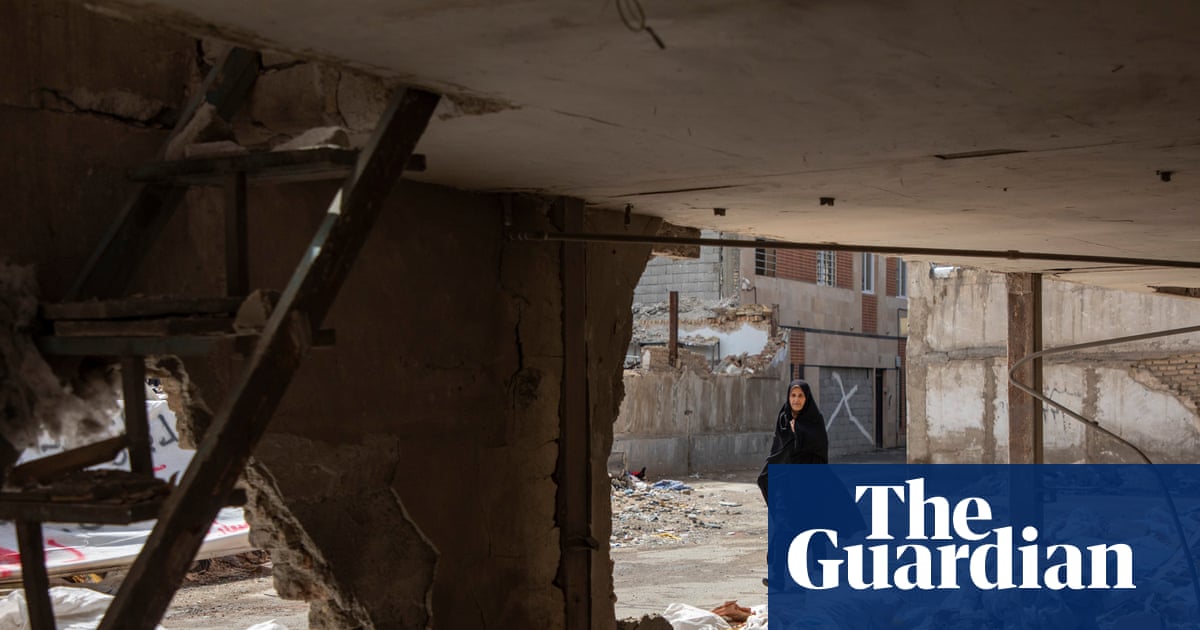
US-Iran Hostilities Escalate as Interim Deal Collapses
July 17, 2026
Tensions between the US and Iran have surged following the collapse of an interim ceasefire, leading to renewed strikes, Iranian warnings of full-scale war, and calls for Israel to remain uninvolved.
Across the spectrum
This group framed the conflict as a political misstep driven by personal grievances rather than strategic necessity. It emphasized the electoral consequences for Republicans and characterized the decision as a dangerous gamble born of poor negotiation.
Center sources prioritized factual reporting on military developments, diplomatic stances, and strategic dilemmas without overt editorializing. They highlighted the operational risks, such as threats to the Strait of Hormuz, and presented balanced views on the limitations of military action.
This perspective defended the administration's actions by contrasting the current leader with perceived historical weaknesses, such as those attributed to Jimmy Carter. It focused on defending Trump's legacy and framed the conflict in terms of resolving economic issues like inflation.
Full synthesis
Hostilities between the United States and Iran have significantly intensified following the collapse of an interim ceasefire agreement signed in June. The US has resumed sustained airstrikes against Iranian military and infrastructure targets, accusing Tehran of attacking merchant vessels in the strategically vital Strait of Hormuz. In retaliation, Iranian forces have launched drone and missile strikes against US-allied nations in the Persian Gulf, including Jordan, Bahrain, Kuwait, and Qatar. These attacks have injured several US service members in Jordan and caused damage to regional infrastructure, though no fatalities among US troops have been confirmed. Iranian officials, including military adviser Mohsen Rezaei, have declared that negotiations during wartime are over, warning of a “full-scale offensive” if US bombardments continue. The conflict has raised global concerns over energy security and potential humanitarian impacts, particularly regarding desalination plants and civilian infrastructure in the region.
Amid the escalation, diplomatic and political pressures are mounting. Analysts and commentators urge Israeli Prime Minister Benjamin Netanyahu to refrain from joining the conflict, citing the risk of further destabilization and the strain on Israel’s military resources already engaged in Gaza and Lebanon. The breakdown of the deal has drawn criticism regarding US strategic calculations ahead of the November midterm elections, with some experts arguing the escalation undermines domestic political stability and inflation control efforts. Meanwhile, Iranian negotiators have officially suspended commitments under the previous agreement, signaling a hardening stance as both sides exchange blows in a conflict that shows no immediate signs of de-escalation.
US-Iran Hostilities Escalate as Interim Deal Collapses