Trump Threatens Tariffs on Canada Over Wildfire Smoke
July 17, 2026
President Trump threatened to add costs to tariffs on Canada over wildfire smoke, accusing the nation of negligence, while Canadian officials and scientists cited climate change and offered counter-criticism.
Across the spectrum
This group provided a balanced overview by juxtaposing Trump’s tariff threats with scientific context on wildfires and counter-arguments from Canadian officials. They emphasized the complexity of the situation, often noting the meteorological benefits of the storm or the limitations of management strategies alone. Their coverage tended to neutralize political rhetoric by including diverse viewpoints on climate responsibility and diplomatic relations.
These sources heavily emphasized the political accountability of Canada, framing the wildfires as a result of liberal negligence and inadequate management. They amplified Trump’s rhetoric regarding American burdens and highlighted Republican support for tariffs, often minimizing or excluding scientific explanations for climate-driven fires. The narrative focused on assigning blame to Canadian leadership and criticizing U.S. climate policies as obstructive to practical solutions.
Full synthesis
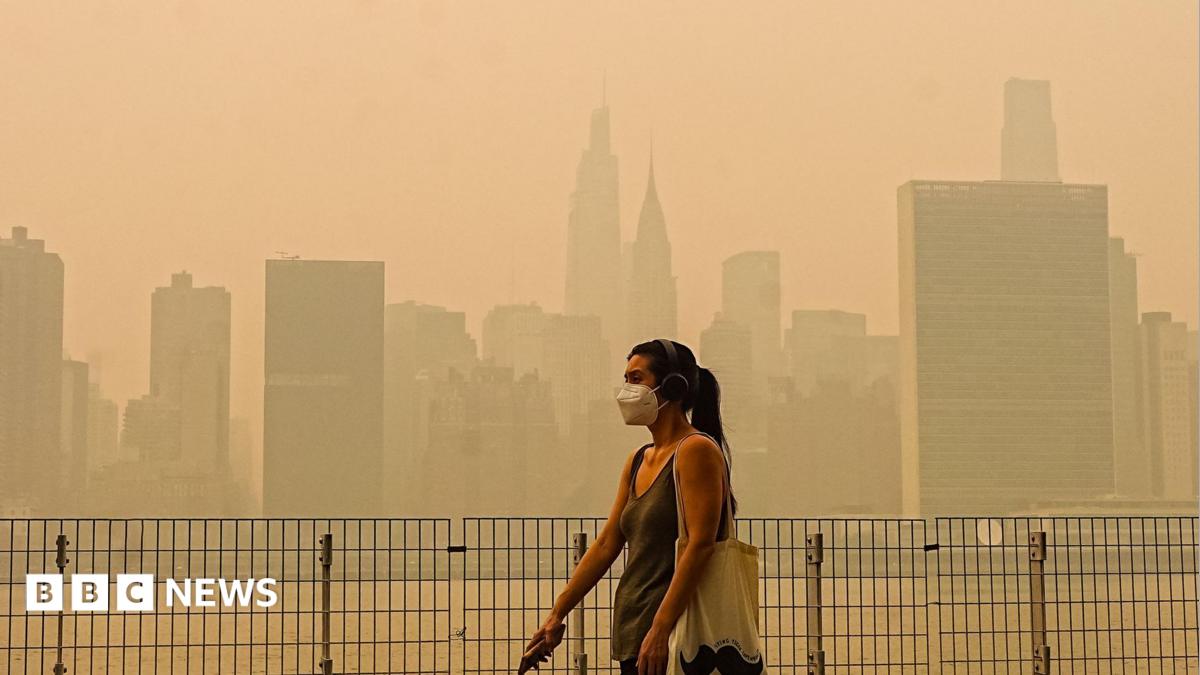
President Donald Trump announced on Friday that the United States would add the costs of air pollution from Canadian wildfires to tariffs on Canadian goods. Writing on Truth Social, Trump accused Canada of "willful negligence" in forest management, claiming the resulting smoke was "invading" the U.S. and causing billions in damages. He stated he would contact Prime Minister Mark Carney to demand an explanation, echoing sentiments from several Republican lawmakers who criticized Canada’s forest maintenance practices.
In response, Prime Minister Carney emphasized that climate change is a global responsibility, pointing out that the U.S. has retreated from clean energy initiatives. Ontario Premier Doug Ford urged the U.S. to send firefighting support rather than complaints, noting Canada’s past assistance to American disasters. Meanwhile, climate scientists and environmental experts attributed the intensified fire season to climate change and natural weather patterns, dismissing claims of unilateral negligence as scientifically inaccurate. Air quality remained hazardous across much of the northern U.S., affecting hundreds of millions of people.
Trump Threatens Tariffs on Canada Over Wildfire Smoke