Trump Imposes 50% Tariffs on Canadian Goods Amid Wildfire Tensions
July 20, 2026
President Trump signed orders imposing 50% tariffs on various Canadian imports, citing trade discrimination, while simultaneously threatening further penalties over wildfire smoke affecting U.S. air quality.
Across the spectrum
Right-leaning sources overwhelmingly frame the tariffs as a justified and necessary defensive measure against Canadian unfair trade practices and discrimination. They emphasize the Trump administration's assertive stance and resolve, portraying the action as a bold economic tool to hold Canada accountable and correct imbalances, with some highlighting specific legal proclamations as evidence of corrective justice.
Center-framed sources provide a largely factual and balanced overview, focusing on the specific legal mechanisms like Section 338, the targeted goods such as dairy and alcohol, and the broader context of U.S.-Canada trade relations. They highlight the potential economic risks, political fallout, and legal challenges without adopting a strong editorial stance, often noting the unusual nature of the tariffs and their distinction from wildfire-related diplomatic tensions.
Left-leaning sources critically frame the tariffs as destabilizing moves that exacerbate economic chaos and strain alliance ties, highlighting the administration's aggressive trade tactics. They also emphasize humanitarian and environmental angles, such as the neglect of Indigenous communities during wildfires and the hypocrisy of imposing tariffs amidst shared climate crises, thereby criticizing the administration's broader policy record.
Full synthesis
President Donald Trump signed executive orders on Monday imposing 50% tariffs on a wide range of Canadian goods, including wine, cement, and hockey sticks, under Section 338 of the Tariff Act of 1930. The White House stated the move targets Canadian “discrimination” against U.S. alcohol, dairy, and automotive industries, noting that most provinces have boycotted U.S. alcohol and imposed tariffs on U.S. vehicles. The tariffs, which exclude energy and critical minerals, take effect in 30 days and apply even to goods previously protected by the USMCA agreement.
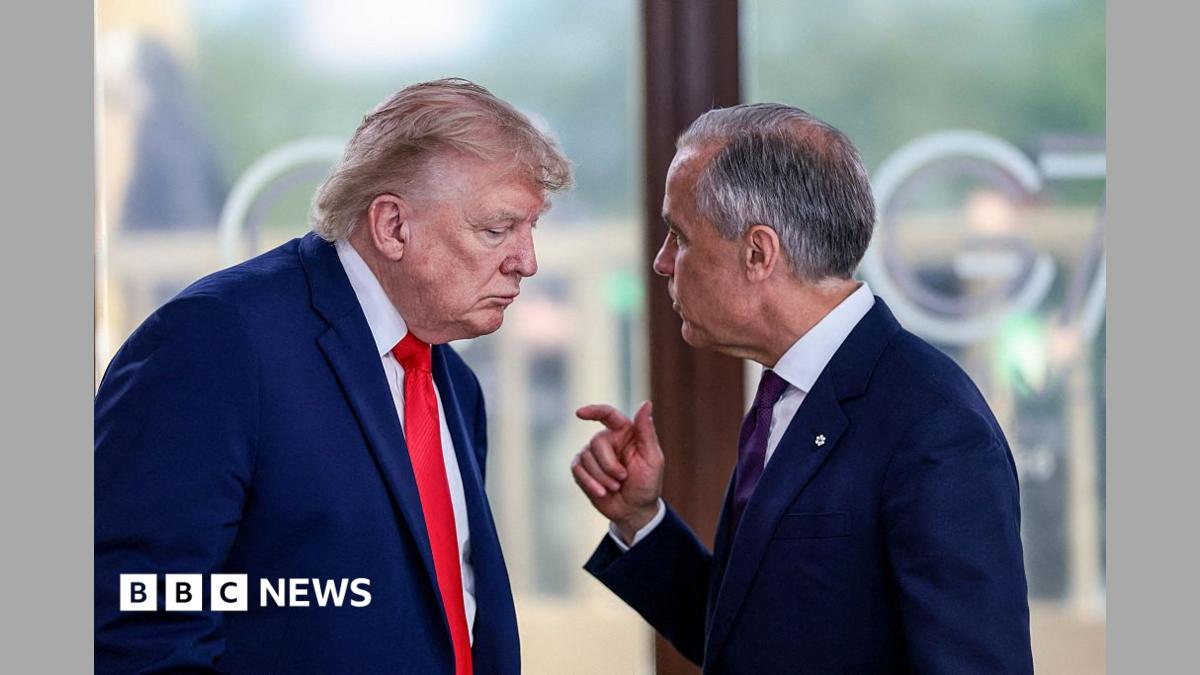
The announcement escalated tensions between the two nations, arriving just a day after Trump met with Prime Minister Mark Carney at the World Cup final. While the administration clarified these specific tariffs are unrelated to recent Canadian wildfires, Trump has separately threatened additional levies or damages to compensate for the wildfire smoke blanketing the U.S. Northeast and Midwest. Canadian officials criticized the tariffs as retaliatory and in violation of trade norms, warning of further economic friction and potential countermeasures.
Trump Imposes 50% Tariffs on Canadian Goods Amid Wildfire Tensions