US and Iran Exchange Strikes as Ceasefire Talks Stall Amid Gulf Escalation
June 3, 2026
The US and Iran launched reciprocal military strikes in early June 2026, hitting Kuwait and Bahrain while jeopardizing fragile ceasefire negotiations and highlighting deep diplomatic divisions.
Across the spectrum
Center-framed coverage dominated the reporting, primarily relying on official military statements, CENTCOM briefings, and government spokespeople to document the escalation. These outlets emphasized factual timelines of the strikes, airport damage, and diplomatic tensions while largely avoiding editorial commentary on the conflict's broader implications. They frequently highlighted Trump’s negotiation rhetoric and the fragile status of the ceasefire, maintaining a neutral tone that balanced U.S. defensive claims with Iranian justifications.
Left-leaning perspectives focused heavily on the human and diplomatic costs of the escalation, stressing civilian infrastructure damage and the erosion of regional stability. These outlets contextualized the military exchange within broader patterns of regional violence and war fatigue, expressing skepticism about the sustainability of diplomatic breakthroughs. Their framing highlighted the tension between official ceasefire claims and the reality of ongoing hostilities, portraying the conflict as a significant setback for peace efforts.
Full synthesis
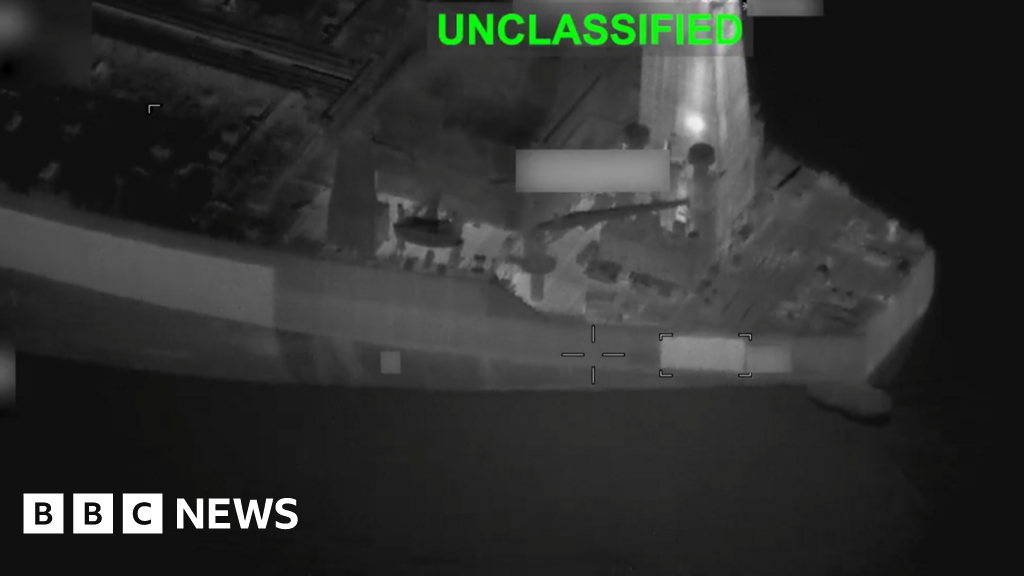
Tensions escalated in the Persian Gulf on June 3, 2026, as the United States and Iran exchanged military strikes amid stalled ceasefire negotiations. The U.S. military conducted “self-defense” strikes on a ground control station on Iran’s Qeshm Island and disabled a Botswana-flagged tanker using a Hellfire missile, part of a blockade that has redirected over 120 vessels since mid-April. In retaliation, Iran launched ballistic missiles and drones toward Kuwait and Bahrain. While CENTCOM claimed all projectiles were intercepted or fell short, Iranian strikes severely damaged Kuwait International Airport, killing one person and injuring dozens. The IRGC disputed U.S. accounts, blaming a wayward Patriot missile for the airport destruction.
The exchange has deepened diplomatic and domestic divisions. President Trump dismissed the violence as a ceasefire operating at a “more moderate” pace, claiming Iran had been “slightly provoked” and suggesting a nuclear deal could emerge by the weekend. He also touted economic resilience, citing record stock markets despite gasoline prices hovering near $4.30 a gallon. Meanwhile, four House Republicans joined Democrats to vote to restrict presidential war powers. With indirect talks technically ongoing but heavily strained by Lebanon spillover and nuclear demands, the fragile April truce faces its most severe test yet.
Source articles (26)
US and Iran Exchange Strikes as Ceasefire Talks Stall Amid Gulf Escalation